
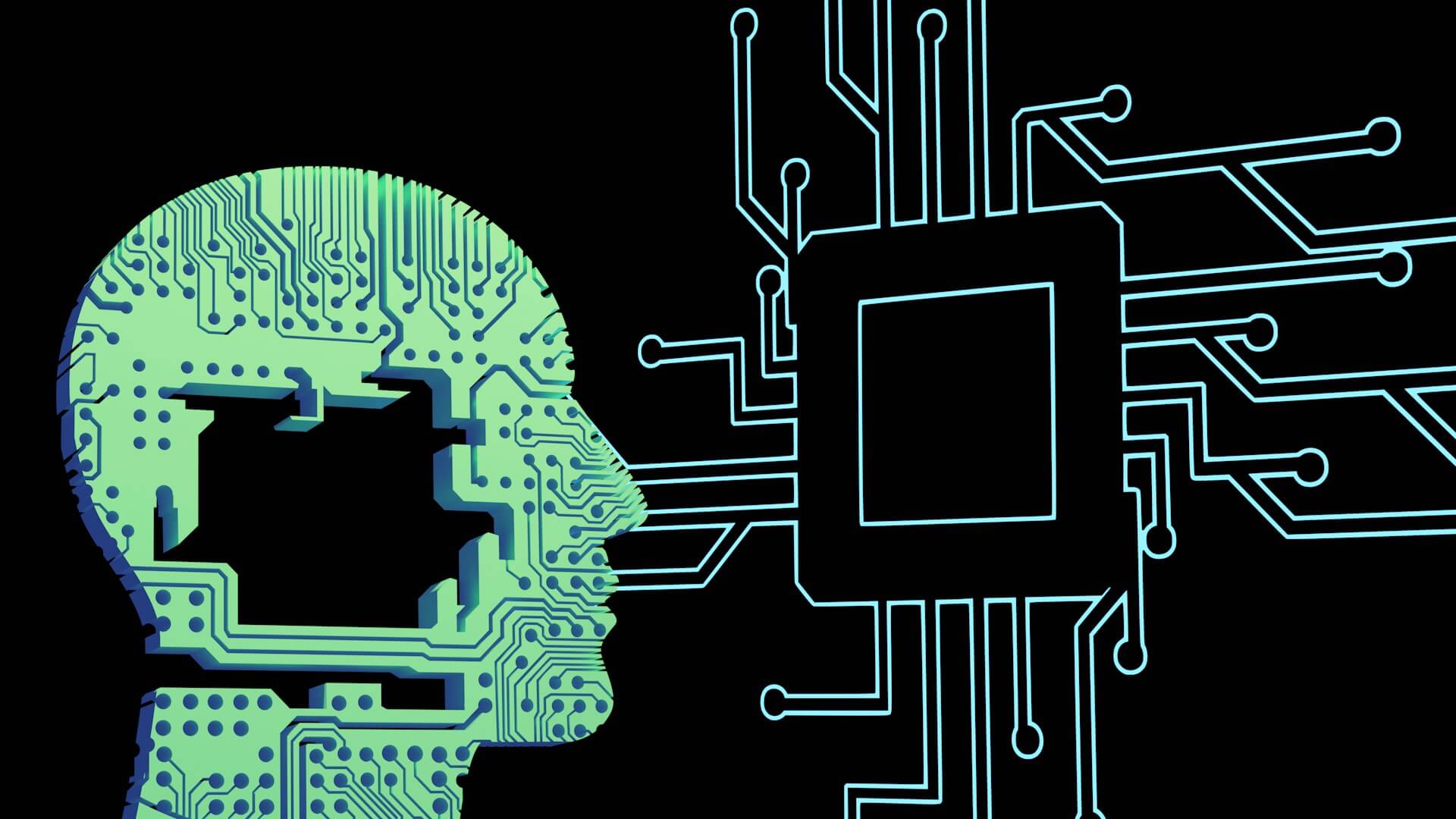
Generative AI has taken the world by storm, demonstrating an incredible ability to create novel content, from text and images to complex code. This transformative technology is not just a fleeting trend; it's a fundamental shift in how we interact with and leverage artificial intelligence.
In this article, we'll explore the core concepts behind generative AI, its current applications, the ethical questions it raises, and what we can expect from this exciting field in the near future.
The best way to predict the future is to invent it.
Alan Kay
Understanding Large Language Models
At the heart of the current generative AI boom are Large Language Models (LLMs). These are massive neural networks trained on vast amounts of text data, enabling them to understand and generate human-like language with remarkable fluency. Architectures like the Transformer have been pivotal, allowing models to process long sequences of text and understand context more effectively than ever before.
Key Applications Across Industries
Content Creation & Marketing
Automated generation of articles, ad copy, and social media posts, personalized to specific audiences.
Software Development
Code generation, debugging assistance, and automated documentation, significantly boosting developer productivity.
Art & Design
Creation of unique images, illustrations, and designs from simple text prompts, revolutionizing creative workflows.
Ethical Considerations and Challenges
The power of generative AI also brings significant ethical responsibilities. Issues such as the potential for misuse in creating misinformation, biases inherited from training data, and copyright concerns are at the forefront of the discussion.
Responsible AI Development
It is crucial to develop and deploy these models responsibly, with a focus on fairness, transparency, and accountability to mitigate potential harms.
The Future Outlook of Generative AI
The field is evolving at an unprecedented pace. We can expect models to become more capable, efficient, and multimodal—able to understand and generate content across text, images, audio, and video seamlessly. The integration of generative AI into various software and services will become more ubiquitous, making it an indispensable tool for professionals in nearly every industry.
Conclusion
The generative AI revolution is just beginning. As we continue to innovate and address the associated challenges, this technology holds the promise of unlocking new levels of creativity, productivity, and scientific discovery. Staying informed and engaged is key to navigating this exciting new era.